Soft Pastel Pencils: What I Recommend (and what I actually use)
One of the questions I get asked most often is:
“What do I actually need to get started with soft pastel pencils?”
Usually it comes from someone standing in an art shop (or scrolling online), staring at shelves of options and feeling completely overwhelmed.
Soft pastel pencils are a beautiful medium especially if you enjoy drawing, detail, and realism, but the materials you choose at the beginning can make the experience either a joy… or unnecessarily frustrating.
This post is a practical, honest breakdown of what I recommend, based on what I use in my own studio every day.
First things first: pastel pencils love the right surface
Before brands, colours, or sets, the most important choice you’ll make is paper.
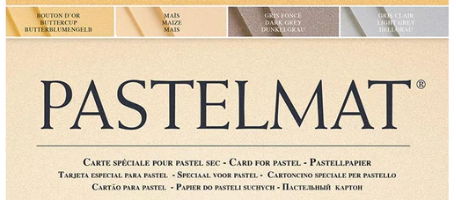
If you’ve ever felt like your pastel pencils won’t layer, keep slipping, or seem to “stop working”, chances are it’s the surface not your skill. For the style of work I do, Clairefontaine Pastelmat is non‑negotiable.
It has a smooth feel but holds multiple layers beautifully, which is essential for building depth and softness with pastel pencils. Many cheaper papers fill up too quickly, making it hard to adjust or refine your work.
If you want to give yourself the best possible start with pastel pencils, this is where I’d invest first.
Soft pastel pencils: good places to start
If you’re drawn to detailed work like portraits, animals, or botanicals, soft pastel pencils are a fantastic entry point into pastels. They offer precision, control, and far less mess than sticks.
Two brands I confidently recommend as good starters are:
Faber‑Castell Pitt Pastel Pencils
These have a slightly firmer core, which makes them ideal for controlled layering and fine detail especially when you’re still learning how much pressure to use.
You don’t need a full set. A small range of earthy colours, plus a black, white, and dark grey, is more than enough to begin.

Derwent Soft Pastel Pencils
Derwent pastel pencils are also an excellent starting option. They’re a little softer than Faber‑Castell and come in a generous colour range.
Some people find this softness more intuitive, especially for gentle layering and subtle colour shifts. You can confidently start with either brand there’s no wrong choice here.

When you know you love pastel pencils
Once you’ve spent some time with pastel pencils and know they’re a medium you want to commit to, Stabilo Carbothello pencils are a lovely upgrade. They’re beautifully pigmented, soft without being crumbly, and layer exceptionally well. I use them daily in my own work, particularly for human portraits, where their subtle flesh tones really shine.
There are many brands available, but the combination of Faber‑Castell, Derwent, and Carbothello covers almost everything I need in my day‑to‑day practice.

Don’t skip the blacks and whites
Two pencils I use constantly regardless of the subject:
General’s Black Chalk Pastel Pencil for deep, rich blacks
General’s White Chalk Pastel Pencil for bright whites and final highlights (great for whiskers or eye highlights)
They’re small additions that make a big difference.

What about soft pastel sticks?
This post (and my free starter guide) are intentionally focused on soft pastel pencils.
That said, soft pastel sticks can be a lovely optional add‑on, particularly for backgrounds or larger areas of colour.
If you’re starting out:
Mungyo pastels are an affordable way to experiment
If you’re ready to invest:
Rembrandt or Colourfix are reliable professional options
Unison pastels are my personal favourite, incredibly buttery and beautiful, though more expensive
I mostly use sticks for backgrounds and introduce them slowly alongside pencils.
Blending: fingers vs tools
You can blend with your fingers, but on Pastelmat this can push pigment into the surface quite quickly.
I often use Sofft blending tools when I want to move pastel more lightly across the surface. They’re especially useful for backgrounds and soft transitions. They’re optional but very handy.

Start simple
If there’s one thing I want you to take from this, it’s this: You don’t need everything.
A good surface, a small set of reliable pencils, and time spent learning how to layer will take you much further than buying every brand available.
Want a simple checklist?
I’ve put all of this into a free Soft Pastel Pencil Starter Guide, including a one‑page checklist you can use when shopping or setting up your workspace. It’s designed to help you start simply and avoid unnecessary overwhelm.
You can download the free guide here:
www.bbart.co.nz/soft-pastel-starter-guide
And if you want to go further
Once you’ve got your materials sorted, the next challenge is learning how to use them together layering confidently, choosing the right tool for each stage, and knowing when to stop.
That’s what I teach inside my pastel membership, with guided projects, clear demonstrations using these same materials, and a supportive space to learn at your own pace.
Most members join after working through the starter guide and wanting a bit more structure and direction.
You’re very welcome to join us when you’re ready.